Most birds migrate. Some, like the bar-tailed godwit, migrate 7,000 miles from their summer to winter home. And others, like certain types of grouse, will just move 300 meters down hill from their nesting spots to winter foraging areas.
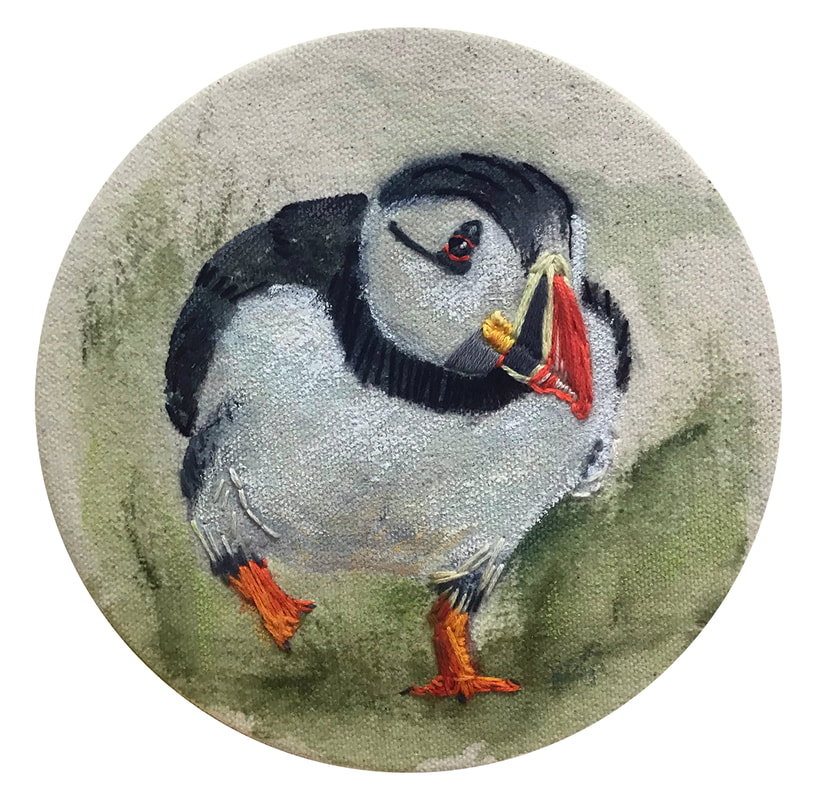
Walkin' Puffin, 6" Sold
|
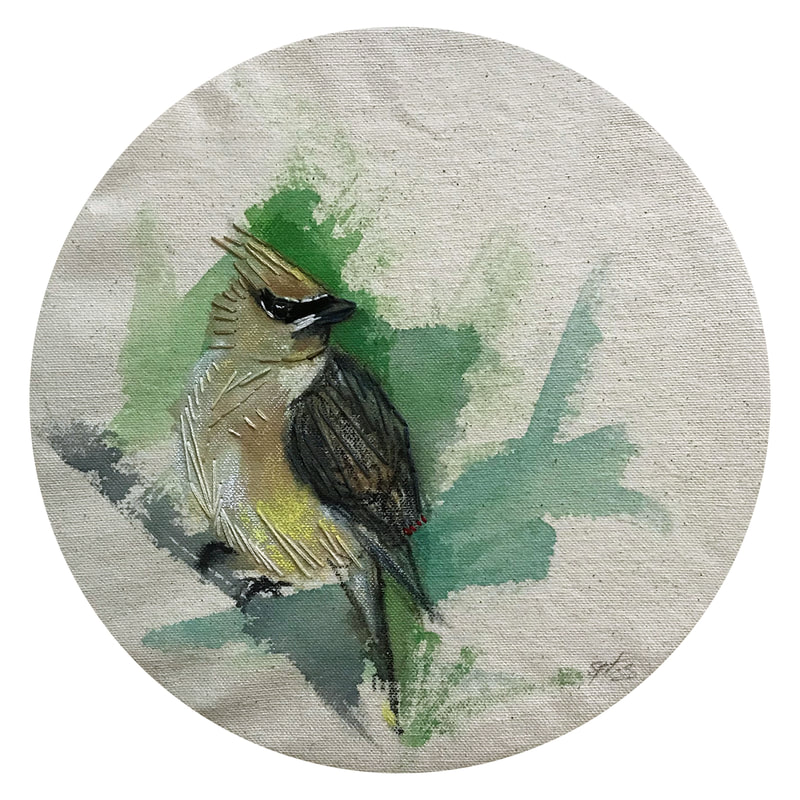
Perched - Cedar Waxwing, 8" Sold
|
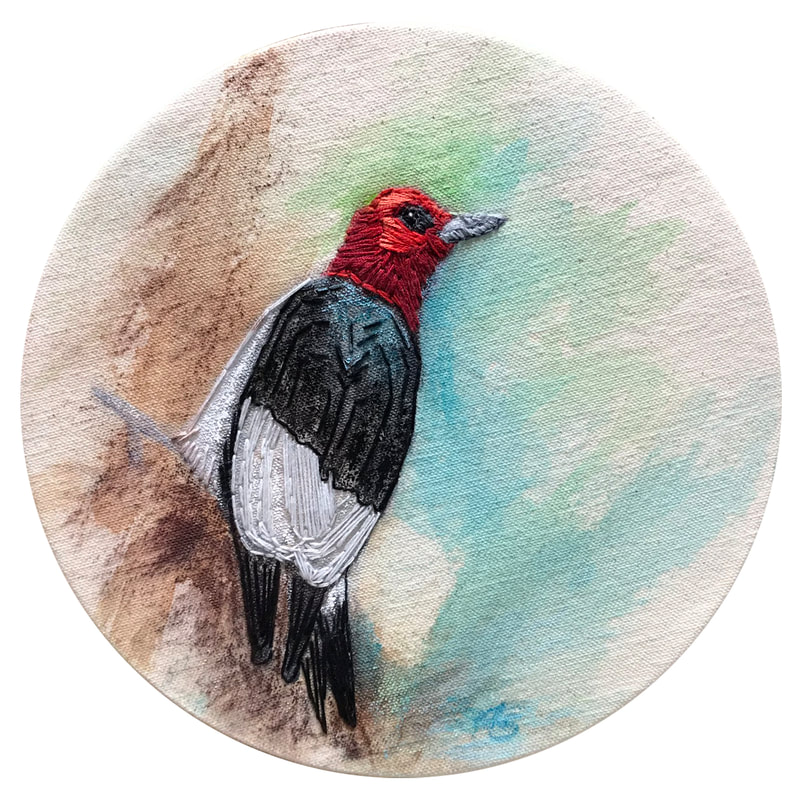
Taking it in - Red-headed woodpecker, 9" Available in the store
|
Those that do migrate great distances overlook goofy borders and country lines that we've put in place. Instead, they follow ancient routes that have suited their needs for millions of years.
If you follow a ruby-throated hummingbird on its migration route, you'll see the different worlds it sees and how it can link those living in the north with those living in the south, under the appreciation of birding. A ruby-throated hummingbird that creates a nest in your backyard in New York during the summer, may be the same hummingbird someone watches at their feeder in the winter months of Guatemala - if one thing could bring the world together, birds would be it.
Bird-watching is appreciated globally. As of 2016, over 45 million Americans go birding, according to Fish and Wildlife. An estimated 20 million in the UK actively feed their backyard visitors. Though only about 3 million UK residents actively go bird watching - even so, at least 50 million people in just 2 countries take an interest in our feathered friends regularly. And in recent months with the pandemic, this number could have only increased as so many were looking for something to enjoy during their stay at home lock downs.
Some will travel miles and miles to get a glimpse of a not-so common Atlantic puffin (though they are abundant where you can find them...), others will be satisfied to fulfill their birding needs in their own backyard watching their regular visitors. But however one will enjoy, birding is ultimately a past time that anyone - of any age, culture, community, etc. - can participate in. And, whether we realize it or not, bird watching brings us together globally - your backyard birds are someone else's backyard birds too.
It's not just the act of bird watching that can bring us together - the birds themselves do too. Unlike people, birds know no borders. They will cross mountains, rivers, oceans and all the invisible lines we've created to divide ourselves, to live their best life in the environment that fits them during that season. They connect two unknown divided worlds together by calling both places home. Two divided cultures based on geography become one comforting place - home. And as we all know, it's always nice to circle back home.
This series looks at migratory birds of all distances, birds that live in your backyard, and birds that become a travel itinerary item, and how important it is to recognize, cherish, and take care of our feathered neighbors together - before we lose another 3 billion.
If you follow a ruby-throated hummingbird on its migration route, you'll see the different worlds it sees and how it can link those living in the north with those living in the south, under the appreciation of birding. A ruby-throated hummingbird that creates a nest in your backyard in New York during the summer, may be the same hummingbird someone watches at their feeder in the winter months of Guatemala - if one thing could bring the world together, birds would be it.
Bird-watching is appreciated globally. As of 2016, over 45 million Americans go birding, according to Fish and Wildlife. An estimated 20 million in the UK actively feed their backyard visitors. Though only about 3 million UK residents actively go bird watching - even so, at least 50 million people in just 2 countries take an interest in our feathered friends regularly. And in recent months with the pandemic, this number could have only increased as so many were looking for something to enjoy during their stay at home lock downs.
Some will travel miles and miles to get a glimpse of a not-so common Atlantic puffin (though they are abundant where you can find them...), others will be satisfied to fulfill their birding needs in their own backyard watching their regular visitors. But however one will enjoy, birding is ultimately a past time that anyone - of any age, culture, community, etc. - can participate in. And, whether we realize it or not, bird watching brings us together globally - your backyard birds are someone else's backyard birds too.
It's not just the act of bird watching that can bring us together - the birds themselves do too. Unlike people, birds know no borders. They will cross mountains, rivers, oceans and all the invisible lines we've created to divide ourselves, to live their best life in the environment that fits them during that season. They connect two unknown divided worlds together by calling both places home. Two divided cultures based on geography become one comforting place - home. And as we all know, it's always nice to circle back home.
This series looks at migratory birds of all distances, birds that live in your backyard, and birds that become a travel itinerary item, and how important it is to recognize, cherish, and take care of our feathered neighbors together - before we lose another 3 billion.
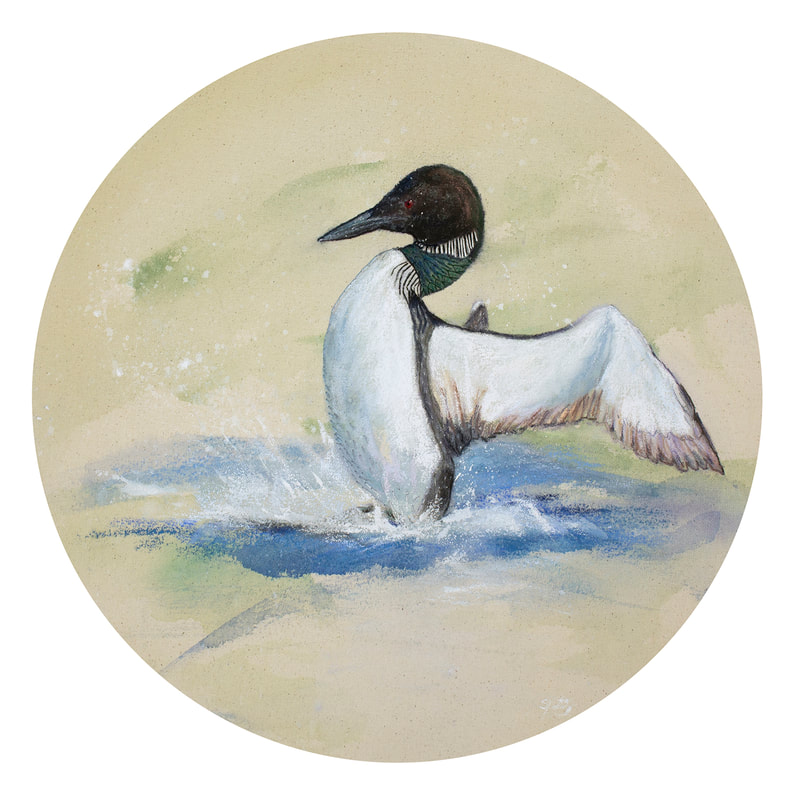
Flashing - Common Loon. 18"
Available in the store
Available in the store
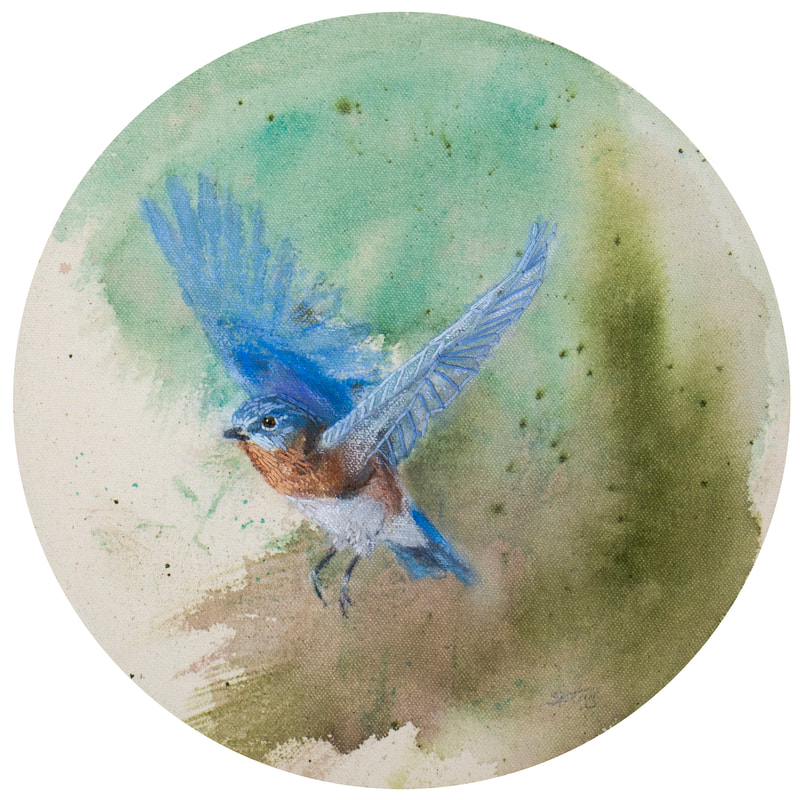
Little Bluebird fly - Eastern Bluebird, 10"Sold
|
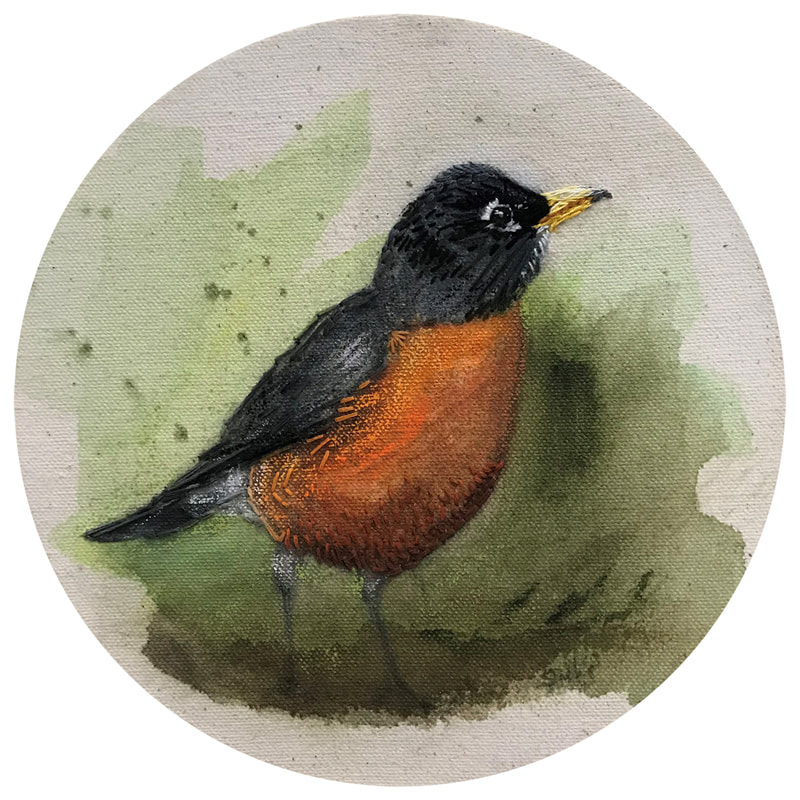
That Bird of Mine - American Robin. 7.75"
Available in the store |
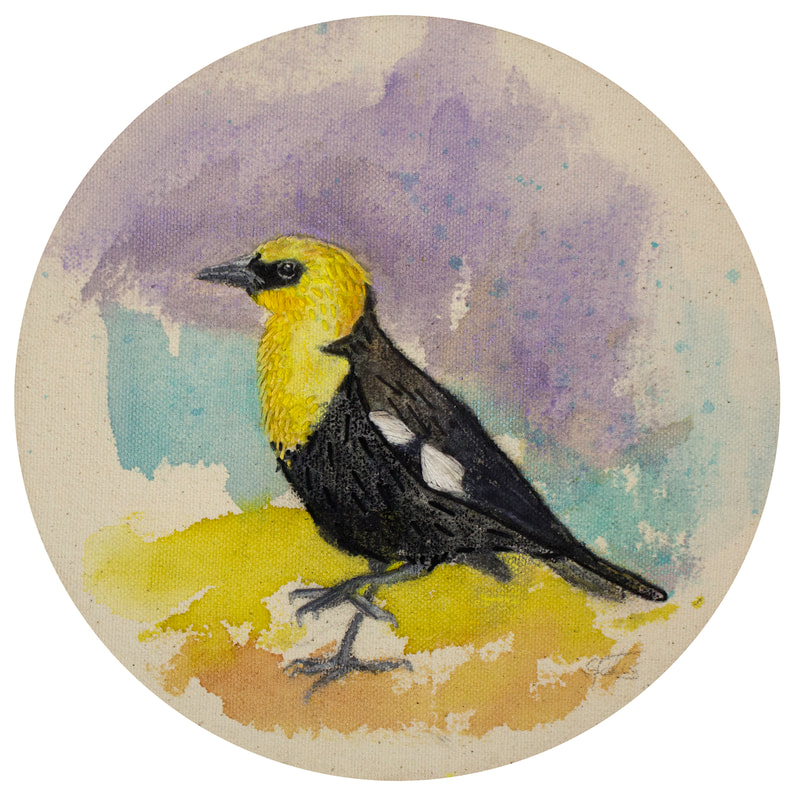
A Bright Spot - Yellow-Headed Blackbird. 7.75"
Available in the store |
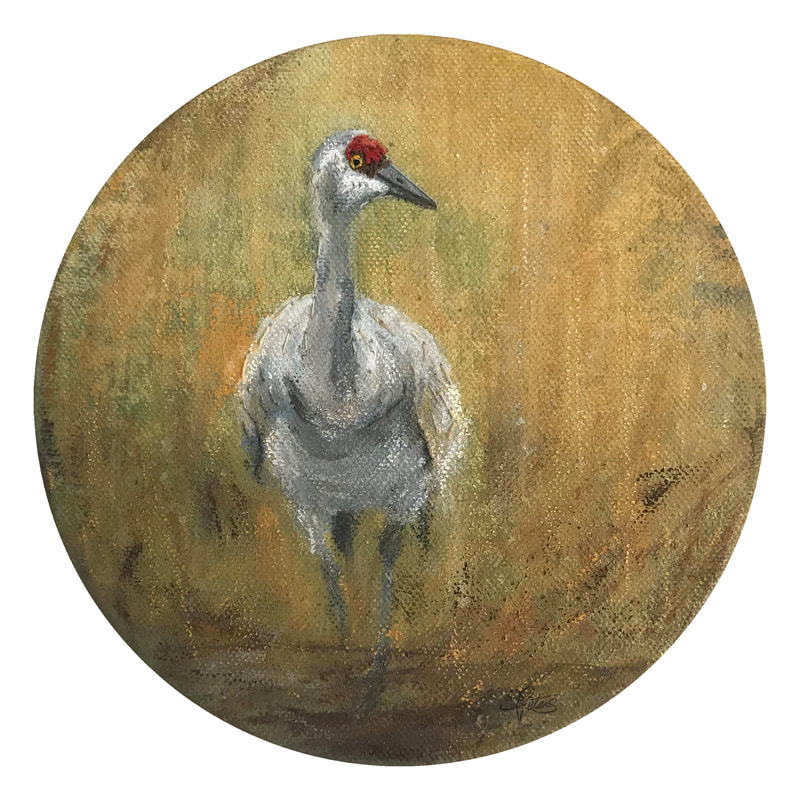
Stop over - Sandhill Crane. 6"
Available in the store |
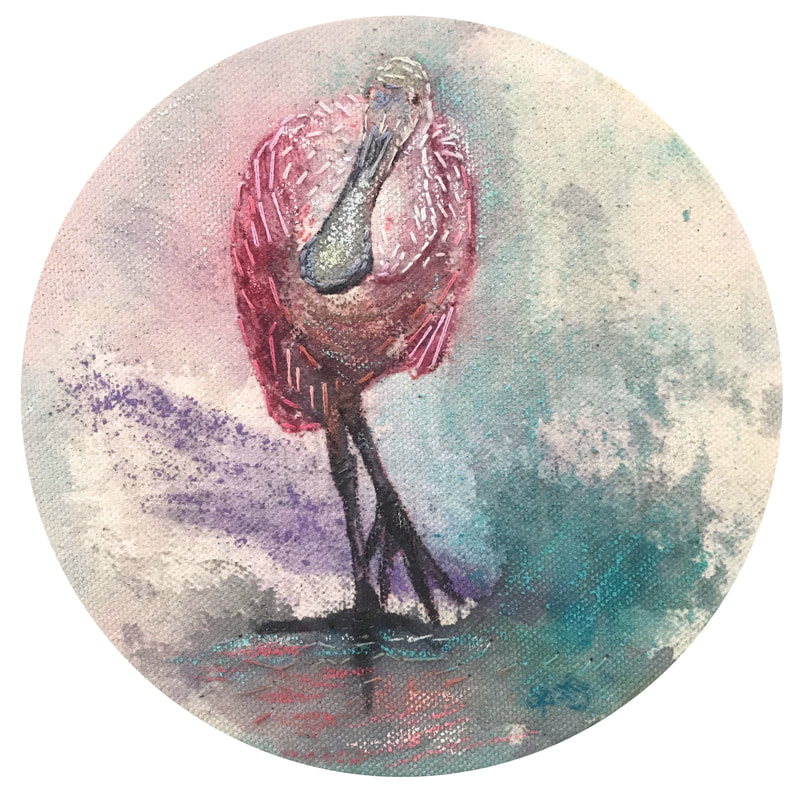
The wanderer - Roseate Spoonbill. 6"
Available in the store |
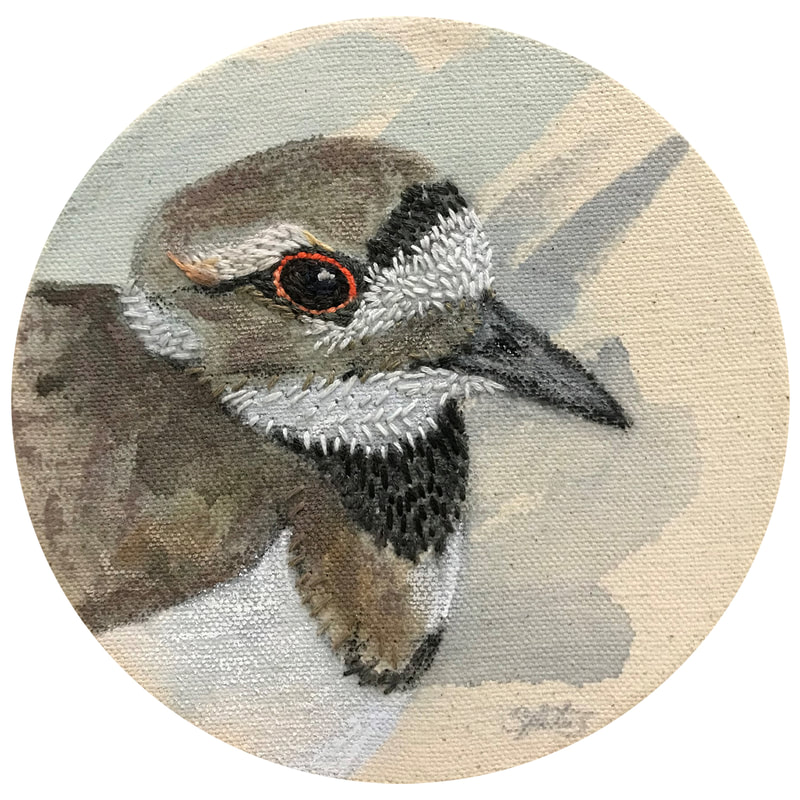
Kee-dee, Kee-dee. 6"
Available in the store |

Summer Fragrant - Red Sold
|
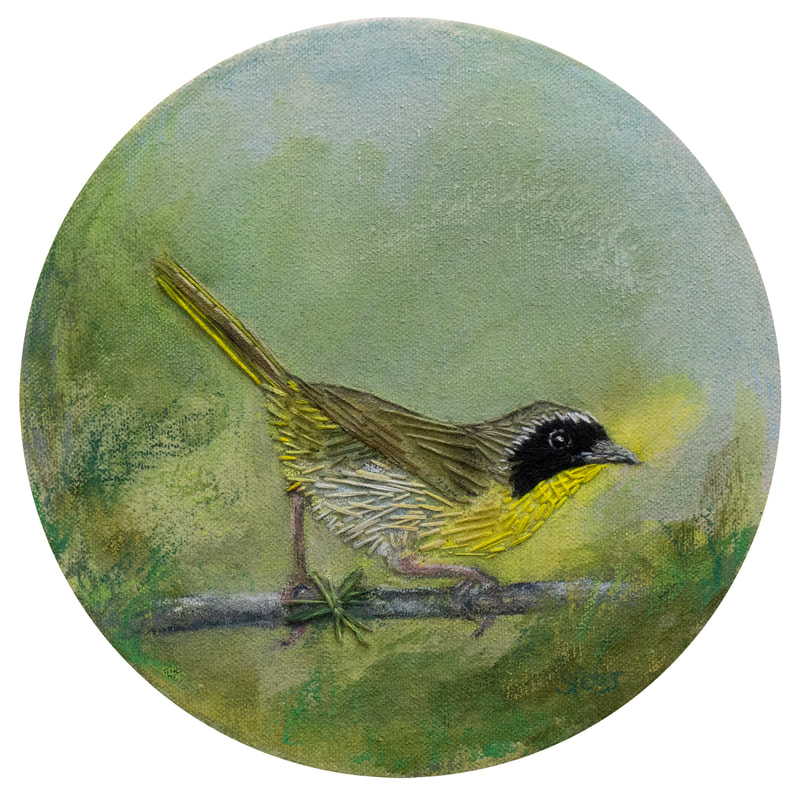
Yellow Bandit, 8"
Available in the store |
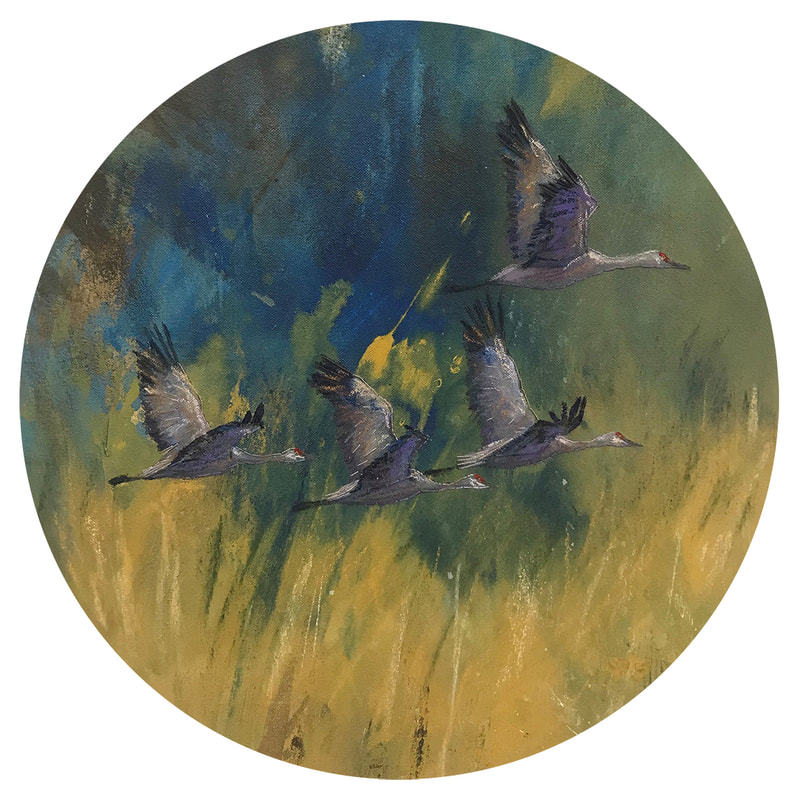
Just After Sunset - Flying Sandhill Cranes, 18”, mixed media
Available in the store |
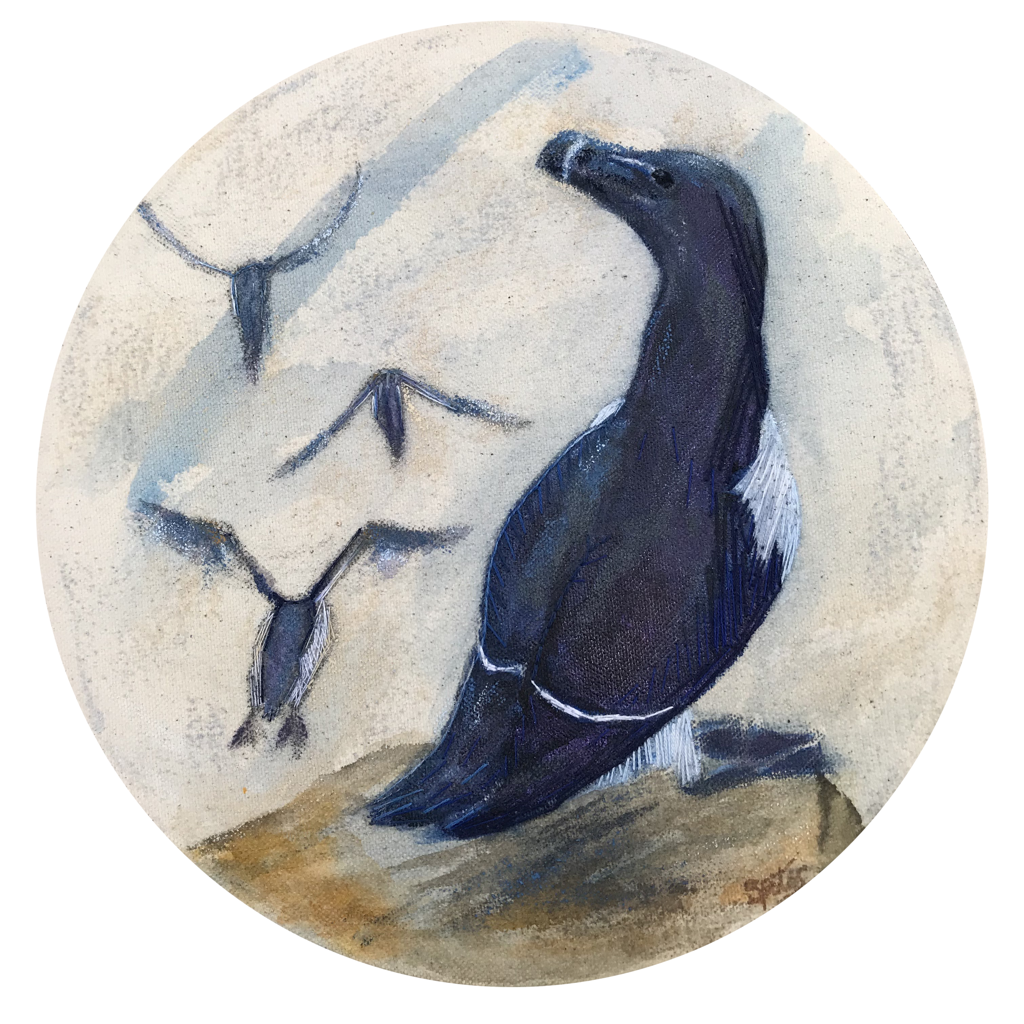
At the edge - Razorbill. 10"
Available in the store |